Printing, Textile, Paper, Lamination, Conveyor Systems
Chemical Resistance
Good resistance to oils, solvents, and chemicals
Lifespan
Long service life under normal industrial applications
End Finish
Metallic, Threaded, or Plain Ends as required
Core Material
Steel, Alloy, or Aluminium Core
Color
Black or As Required
Working Temperature
-20C to +120C
Maintenance
Minimal, Easy to Clean
Customization
Available for Diameter, Length, Hardness, and Material
Bonding
Strong adhesive bonding of rubber to metal core
Rubber Type
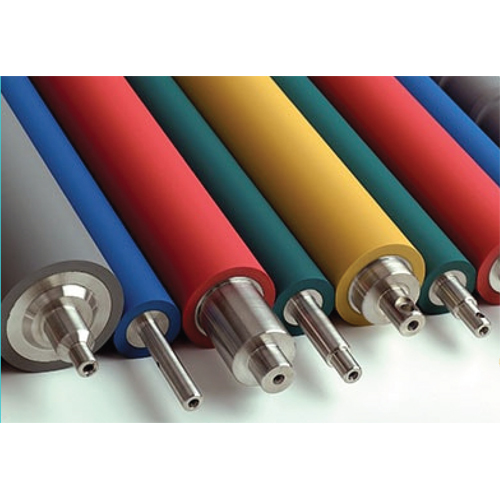
Natural Rubber, Nitrile, EPDM, Silicone, Neoprene, as per requirement
Rubber Roller Trade Information
Minimum Order Quantity
1 Unit
Delivery Time
5-7 Days
About Rubber Roller
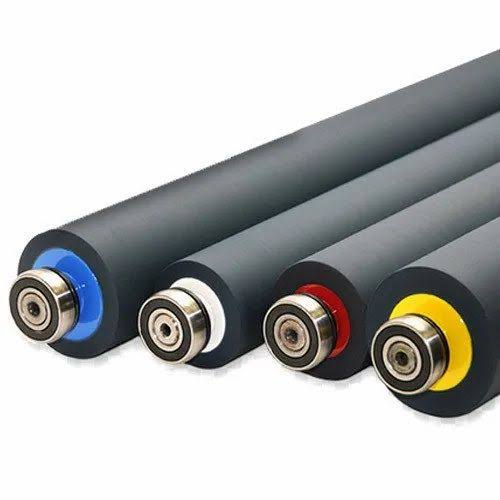
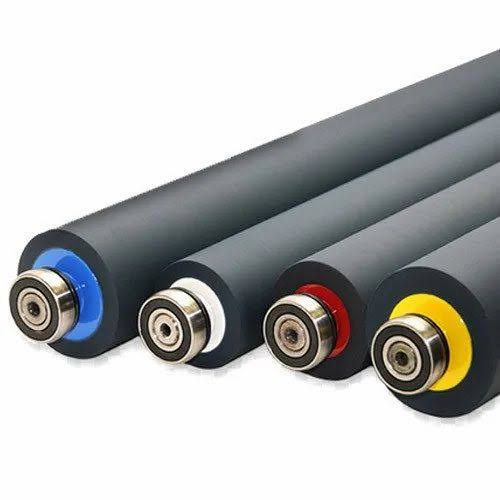
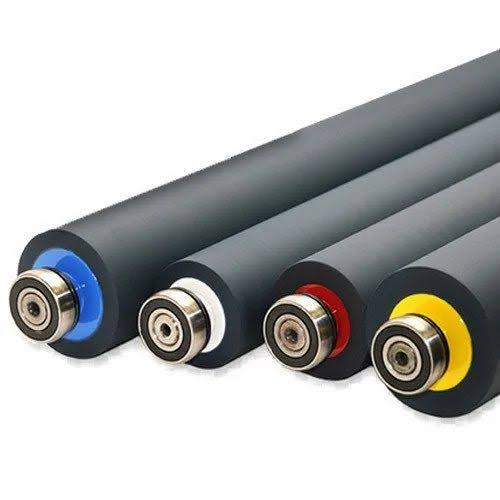
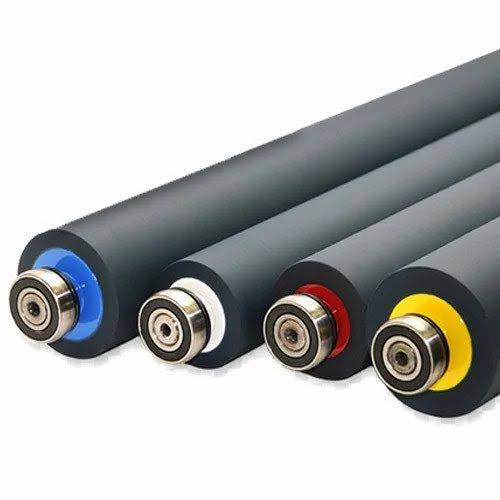
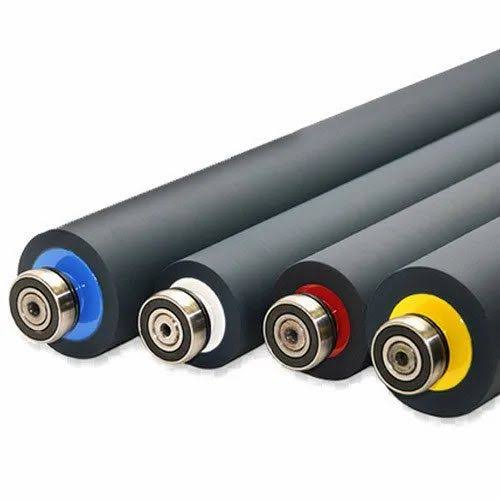
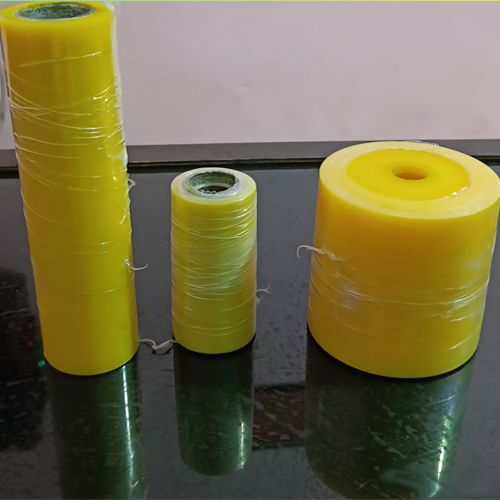
A rubber roller is an industrial component consisting of a metallic core (steel, aluminum, or iron) covered by a, synthetic, or natural elastomer coating, designed to provide grip, pressure, and, in some cases, cushioning. These rollers, such as EPDM, silicone, or neoprene, offer high abrasion resistance and, , are widely used in printing, packaging, textile, and food processing industries for handling, coating, and, conveying materials.
Key Components and Characteristics
Core: The inner shaft is typically made of steel, iron, or aluminum.
Outer Cover: The outer layer is made from various elastomeric compounds (e.g., polyurethane, silicone, EPDM, nitrile) selected for specific hardness and chemical resistance.
Structure: Comprises the shaft, bonding layer, and the functional rubber cover.
Performance Metrics: High friction, shock absorption, and durability against wear and tear.
Common Applications
Printing & Packaging: Ink transfer and laminating.
Textile Industry: Dyeing, squeezing, and guiding fabrics.
Material Processing: Conveying and squeezing materials.
Food Processing: Moving food products along production lines, often utilizing food-grade, non-toxic materials.
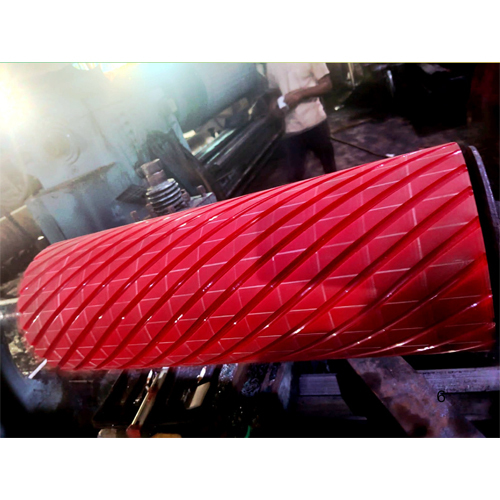
Specialized Rollers: Includes bow rollers, scroll rollers, and ebonite rollers.
Rubber rollers are customized by size, hardness, and chemical resistance to meet specific operational requirements.
Versatile Customization for Every Industry
Our Rubber Rollers cater to the unique requirements of printing, textile, paper, and lamination sectors. With customizable diameter, length, material, and hardness, they seamlessly integrate with a variety of industrial machines-whether for new equipment or retrofitting. From smooth to polished or specialized surfaces, our rollers accommodate both standard and bespoke specifications, maximizing performance and compatibility.
Engineered for Durability and Performance
Each roller is manufactured with precision-engineered bonding between the rubber layer and a robust metal core, ensuring strong adhesion and extended lifespan under continuous industrial use. With a broad temperature range (-20C to +120C) and exceptional resistance to oils, solvents, and harsh chemicals, our rollers maintain optimal function and integrity, even in rigorous operating conditions.
FAQ's of Rubber Roller:
Q: How are your rubber rollers customized to meet specific industrial needs?
A: We provide full customization on diameter, length, hardness (Shore A 30-100), rubber material (Natural Rubber, Nitrile, EPDM, Silicone, Neoprene), end finish (metallic, threaded, plain), and even the core material. This ensures seamless integration with your machine and process requirements.
Q: What applications are these rubber rollers suitable for?
A: Our rollers are designed for industrial material handling, printing machines, textile processing equipment, laminating machines, paper manufacturing, and conveyor systems-making them ideal for printing, textile, and related industries.
Q: When is maintenance typically required for these rollers?
A: These rollers require minimal maintenance due to their robust construction and easy-to-clean surfaces. Regular inspection for wear and cleaning is generally sufficient for maximized lifespan, with comprehensive servicing only as needed under normal industrial conditions.
Q: Where can these rubber rollers be installed?
A: The rollers are compatible with a wide range of machines, including printing presses, textile machinery, laminators, and conveyor systems, and are supplied to manufacturers and processing plants worldwide.
Q: What is involved in the production process of your rubber rollers?
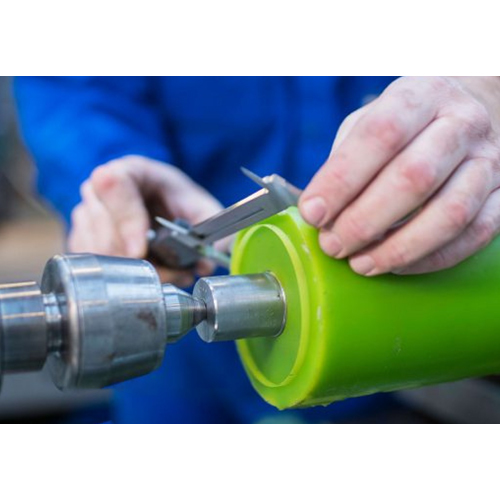
A: We use molded or extruded techniques, followed by precision machining. The rubber is strongly bonded to the metal core and surfaced to your specifications (smooth, polished, or specialized textures) with 0.05 mm tolerance for high accuracy.
Q: How do these rubber rollers benefit industrial operations?
A: Their excellent chemical resistance, high load capacity (up to 2000 kg), customizable design, and long service life result in reduced downtime, consistent product quality, and lower total cost of ownership.
Q: What distinguishes your rubber rollers in terms of quality and durability?
A: We use only high-grade rubber bonded to steel, alloy, or aluminium cores with advanced adhesive processes, ensuring superior resilience to chemicals, temperature variations, and mechanical stress for prolonged operational performance.
Tell us about your requirement
Price:
Quantity
Select Unit
50
100
200
250
500
1000+
Additional detail
Mobile number
Email
Name
Comapny Name
Phone Number
Email Id
City / State
Confirm Your Requirement
Verification Code
Did not receive yet?
Resend OTP
You’re Done!
We have received your requirements and will reply shortly with the best price.






 Send Inquiry


 Send Inquiry
 Send Inquiry
 Send SMS
 Call Me Free